 HealthSpark Studio
Child Nutrition in 2025: Essential Guide to Healthy Eating for Kids
Did you know that proper nutrition in childhood can reduce the risk of chronic diseases by up to 30%, according to the World Health Organization? A balanced diet is the cornerstone of a child’s growth, development, and long-term health. This comprehensive guide explores the essentials of child nutrition in 2025, offering practical tips to help parents foster healthy eating habits for their kids.
Why Child Nutrition Matters
Nutrition in childhood lays the foundation for physical, cognitive, and emotional development. A well-balanced diet supports healthy growth, strengthens immunity, and reduces the risk of obesity, diabetes, and heart disease later in life. According to the CDC, children with poor nutrition are more likely to face developmental delays and chronic health issues.

Key Benefits of Proper Nutrition
Good nutrition impacts every aspect of a child’s life. It fuels their energy for play, learning, and growth while supporting long-term health.
- Physical Growth: Nutrients like protein, calcium, and vitamin D support bone and muscle development.
- Cognitive Function: Omega-3 fatty acids and iron boost brain development and academic performance.
- Immune Health: Vitamins A, C, and zinc strengthen immunity against infections.
- Emotional Well-Being: Balanced diets stabilize mood and energy levels, reducing irritability.
Learn more in our Nutrition & Healthy Eating guide.
Essential Nutrients for Kids
Children need a variety of nutrients to thrive. The World Health Organization emphasizes a balanced diet to meet these needs.
Macronutrients
Macronutrients provide energy and building blocks for growth.
- Carbohydrates: Whole grains like oats, brown rice, and quinoa provide sustained energy.
- Proteins: Lean meats, beans, eggs, and dairy support muscle and tissue growth.
- Fats: Healthy fats from avocados, nuts, and fish (rich in omega-3s) support brain health.
Micronutrients
Vitamins and minerals are critical for specific functions.
- Calcium and Vitamin D: Found in dairy, fortified plant milks, and leafy greens, these support strong bones.
- Iron: Red meat, spinach, and lentils prevent anemia and support oxygen transport.
- Vitamin C: Citrus fruits, berries, and bell peppers boost immunity and skin health.
- Fiber: Whole grains, fruits, and vegetables promote digestive health.
Track nutrient intake with our Antioxidant Tracker.
Water and Hydration
Water is essential for digestion, temperature regulation, and overall health. Children need 4–8 cups daily, depending on age, per the American Academy of Pediatrics (AAP). Limit sugary drinks to prevent excess calorie intake.

Challenges in Child Nutrition
Despite the importance of nutrition, many children face dietary challenges. Understanding these can help parents address them effectively.
Picky Eating
Picky eating is common, especially in toddlers and preschoolers. It can limit nutrient variety, increasing the risk of deficiencies. A PubMed study found that 20–50% of children exhibit picky eating behaviors.
Overconsumption of Processed Foods
Fast foods, sugary snacks, and sodas are high in calories but low in nutrients. The CDC reports that 60% of children’s diets come from ultra-processed foods, contributing to obesity and health issues.
Socioeconomic Barriers
Families with limited resources may struggle to access fresh, healthy foods. Food deserts—areas with limited grocery stores—can lead to reliance on cheap, calorie-dense options.
Busy Lifestyles
Busy schedules often lead to reliance on convenience foods or eating out. This can reduce opportunities for home-cooked, balanced meals.
Building Healthy Eating Habits
Fostering lifelong healthy eating habits starts with small, sustainable changes. The AAP provides evidence-based strategies for parents.
Balanced Meal Planning
Create meals that include all food groups for balanced nutrition.
- Fruits and Vegetables: Aim for 5 servings daily, using a variety of colors for diverse nutrients.
- Whole Grains: Choose whole-grain bread, pasta, or rice over refined grains.
- Proteins: Include plant-based options like beans or tofu alongside lean meats.
- Dairy or Alternatives: Offer low-fat milk, yogurt, or fortified plant-based milks.
Explore meal ideas in our Nutrition & Healthy Eating guide.
Portion Control
Teach children to eat until satisfied, not overly full. Use smaller plates to make portions appear larger, and avoid forcing kids to “clean their plate.” The CDC suggests using MyPlate guidelines to balance portions.
Family Meals
Eating together promotes healthy habits and strengthens family bonds. Studies show that children who eat family meals consume more fruits and vegetables and fewer sugary drinks. Aim for at least 3–4 family meals per week.
Introducing New Foods
Picky eaters may resist new foods, but persistence pays off. Tips include:
- Start Small: Offer small portions of new foods alongside favorites.
- Be Patient: It may take 10–15 exposures for a child to accept a new food.
- Make It Fun: Use creative presentations, like cutting veggies into shapes.
- Involve Kids: Let them help with cooking or choosing produce at the store.
Limiting Sugary Drinks and Snacks
Sugary drinks and snacks contribute to excess calorie intake. Replace sodas with water or unsweetened teas, and offer fruit or nuts instead of candy. The WHO recommends limiting added sugars to less than 10% of daily calories.

Infographic: Healthy snack ideas for kids to support nutrition.
Nutrition for Different Age Groups
Nutritional needs vary by age, as children grow and develop at different rates.
Toddlers (1–3 Years)
Toddlers need nutrient-dense foods to support rapid growth. Focus on:
- Small, frequent meals to match small stomach sizes.
- Whole milk or fortified alternatives for brain and bone development.
- Iron-rich foods like fortified cereals or lean meats to prevent anemia.
Preschoolers (4–5 Years)
Preschoolers are developing food preferences. Encourage variety with:
- Colorful fruits and vegetables to make meals appealing.
- Whole grains for sustained energy during active play.
- Calcium-rich foods for growing bones.
School-Age Children (6–12 Years)
School-age kids need energy for learning and activities. Prioritize:
- Balanced breakfasts to boost focus and academic performance.
- Healthy school lunches with whole grains, proteins, and veggies.
- Snacks like yogurt or fruit to maintain energy between meals.
Adolescents (13–18 Years)
Teens experience growth spurts and increased nutrient needs. Focus on:
- Protein-rich foods to support muscle development.
- Calcium and vitamin D for peak bone mass.
- Iron for girls, especially to support menstruation.
Track growth with our Kids BMI Calculator.
Kids Nutrition
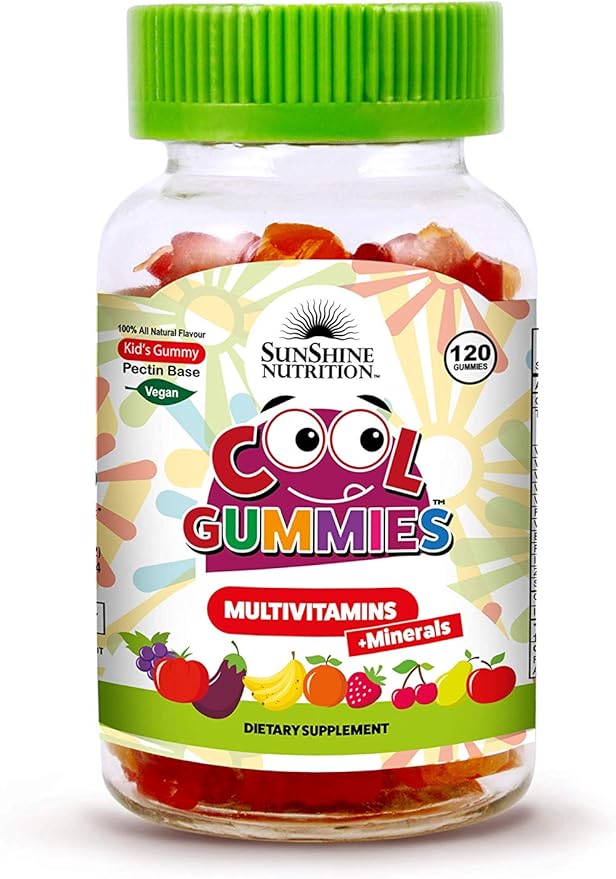
Sunshine Nutrition Multivitamins + Minerals
Sunshine Nutrition Multivitamins + Minerals Cool 120 Gummies For Kids
Buy Now on Amazon
Wellkid Vitabiotics Smart Chewables
Formula based on the very latest scientific research.
Buy Now on AmazonAddressing Nutritional Deficiencies
Nutritional deficiencies can impact growth and health. Common deficiencies include:
- Iron: Leads to anemia, causing fatigue and poor focus. Include red meat, spinach, or fortified cereals.
- Vitamin D: Essential for bone health. Sources include sunlight, fortified milk, and fish.
- Calcium: Critical for bones and teeth. Found in dairy, leafy greens, and fortified foods.
Consult a pediatrician if you suspect deficiencies. Learn more in our Anemia article.
Nutrition and Emotional Well-Being
Diet impacts mood and behavior. Nutrient deficiencies or high-sugar diets can lead to irritability or poor concentration. A balanced diet with omega-3s, whole grains, and proteins supports stable moods.
Explore emotional health in our Mental Health & Emotional Wellness guide.
Nutrition in the Digital Age: 2025 Trends
Technology is shaping how families approach nutrition:
- Nutrition Apps: Apps like MyPlate or Yummly help plan balanced meals.
- Smart Kitchen Tools: Devices like smart scales ensure accurate portion sizes.
- School Programs: Schools are adopting healthier lunch menus and nutrition education.
- Personalized Nutrition: AI-driven tools offer tailored dietary advice based on a child’s needs.
Stay updated via our Blogs section.
Call-to-Action
Support your child’s health with proper nutrition! Plan balanced meals with our Nutrition & Healthy Eating guide or track growth with our Kids BMI Calculator. Subscribe to our newsletter for the latest nutrition tips, and share this guide to help other parents!
Frequently Asked Questions About Child Nutrition
What nutrients are most important for kids?
Key nutrients include protein, calcium, vitamin D, iron, vitamin C, and fiber for growth, immunity, and energy, per the AAP.
How can I get my picky eater to try new foods?
Offer small portions, be patient with repeated exposures, make food fun, and involve kids in cooking, as recommended by the CDC.
How much water should my child drink daily?
Children need 4–8 cups of water daily, depending on age. Limit sugary drinks to maintain hydration and health.
Can poor nutrition affect my child’s behavior?
Yes, deficiencies in iron, omega-3s, or high sugar intake can lead to irritability or poor focus, per PubMed studies.
How do I know if my child has a nutritional deficiency?
Signs include fatigue, poor growth, or frequent infections. Consult a pediatrician for testing and guidance.
Key Takeaways
- Proper nutrition supports children’s growth, immunity, and emotional well-being.
- Ensure a balanced diet with proteins, whole grains, healthy fats, and micronutrients like calcium and iron.
- Address challenges like picky eating with patience, variety, and family meals.
- Limit processed foods and sugary drinks to prevent obesity and deficiencies.
- Use tools like our BMI Calculator and consult pediatricians to monitor health.
Medical Disclaimer
This blog is for educational purposes only and not a substitute for professional medical advice. Always consult a qualified healthcare provider for personalized nutrition guidance.